Imagine two restrooms for public use. Imagine two public restrooms. One trailhead is situated in a rural region surrounded by wide open spaces.
Both provide the identical essential service. But, if you create them in identical structures, they could not function in the exact same way.
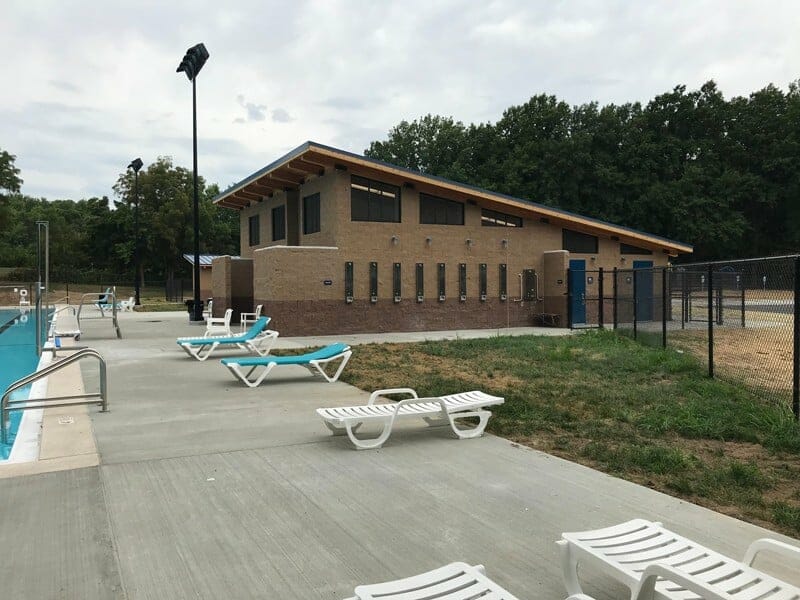
Image credit: romtec.com
It is essential to choose the right site for creating high-quality public restrooms. Who will be using the facility? What is the maximum number of people allowed to arrive simultaneously? What kind of services are available? What distance will visitors be able to walk? What is the architecture surrounding the building?
These answers will determine nearly all of the decisions that follow.
Begin by watching how people move through the site.
Placement of toilets shouldn’t be taken separately from the rest and design of a park. In a sports facility the visitors can arrive in large numbers during sporting events and games. It is vital that a bathroom with an area for play be situated at a suitable location for families. It should also be able to fit safely into the circulation of pedestrians. In urban environments, the footprint of sidewalk restrooms can be smaller and may need to be complemented by other features of the streetscape.
The structure is only one aspect of the total experience. The location is influenced by the surrounding area accessibility, access, and the activities.
Remote sites create a different Problem
The project should be moved away from the street and utility infrastructure. A picturesque overlook, camping area, trailhead, or even a remote recreation spot may not be connected to conventional sewer service. In appropriate applications, vault toilets provide an alternative that allows restroom facilities to serve locations where traditional plumbing infrastructure may be difficult or impractical.
The conversation about design is something different. Instead of choosing a building project team, they should consider the existing conditions on the site to determine which bathroom system best suits the location.
Capacity should reflect the actual usage
A park located in a tranquil area and a sports complex in the region don’t share the same types of patrons. Demand at peak times is vital. A facility that appears to be adequate on a normal Tuesday afternoon might face different conditions on a weekend tournament, festival, or any other type of community event.
Before building, homeowners should consider the actual usage of bathrooms, including their capacities, layout, fixtures and maintenance requirements.
For companies looking to construct the possibility of prefabricated parks restrooms, flexibility can be particularly advantageous since the building can be arranged to suit the project’s requirements instead of making the location fit a predetermined model.
Architecture remains a part of the Conversation
The design of a bathroom is essential, however it shouldn’t be overlooked because its function is far more important. The bathroom is an essential component of the public landscape. Roof shapes, siding fixtures, colors, masonry and other architectural features could help to connect it with adjacent pavilions, concession structures, natural surroundings, or an established community design theme.
Romtec’s custom approach permits project teams to incorporate different colors and materials, shapes as well as exterior treatment and forms, as opposed to being limited to one standardized appearance.
Design to be a Place not just the purpose
Romtec works with park operators as well as landscape architects and contractors to design, supply, and install restrooms and other public buildings. Its experience includes building documentation, code requirements, ADA considerations, engineering, component selection, and construction throughout the United States.
The key starting point but it’s surprisingly simple. Don’t begin by asking what restroom building you can build on the spot. Start by analyzing the activities, people infrastructure and the surrounding environment there. Plan the structure that will fit into.