A manufacturing company wins a big contract. Even though the production needs for each month have increased, the facility does not suddenly have more flooring or experienced workers. An increase in production for a short period could be possible, however an additional shift may bring new labor requirements training, supervision, and quality control.
Such situations highlight an important purpose of robotic automation. Robotics doesn’t just mean replacing human beings with machines. It could be utilized to transform the way that manufacturers utilize their existing capacity for production.
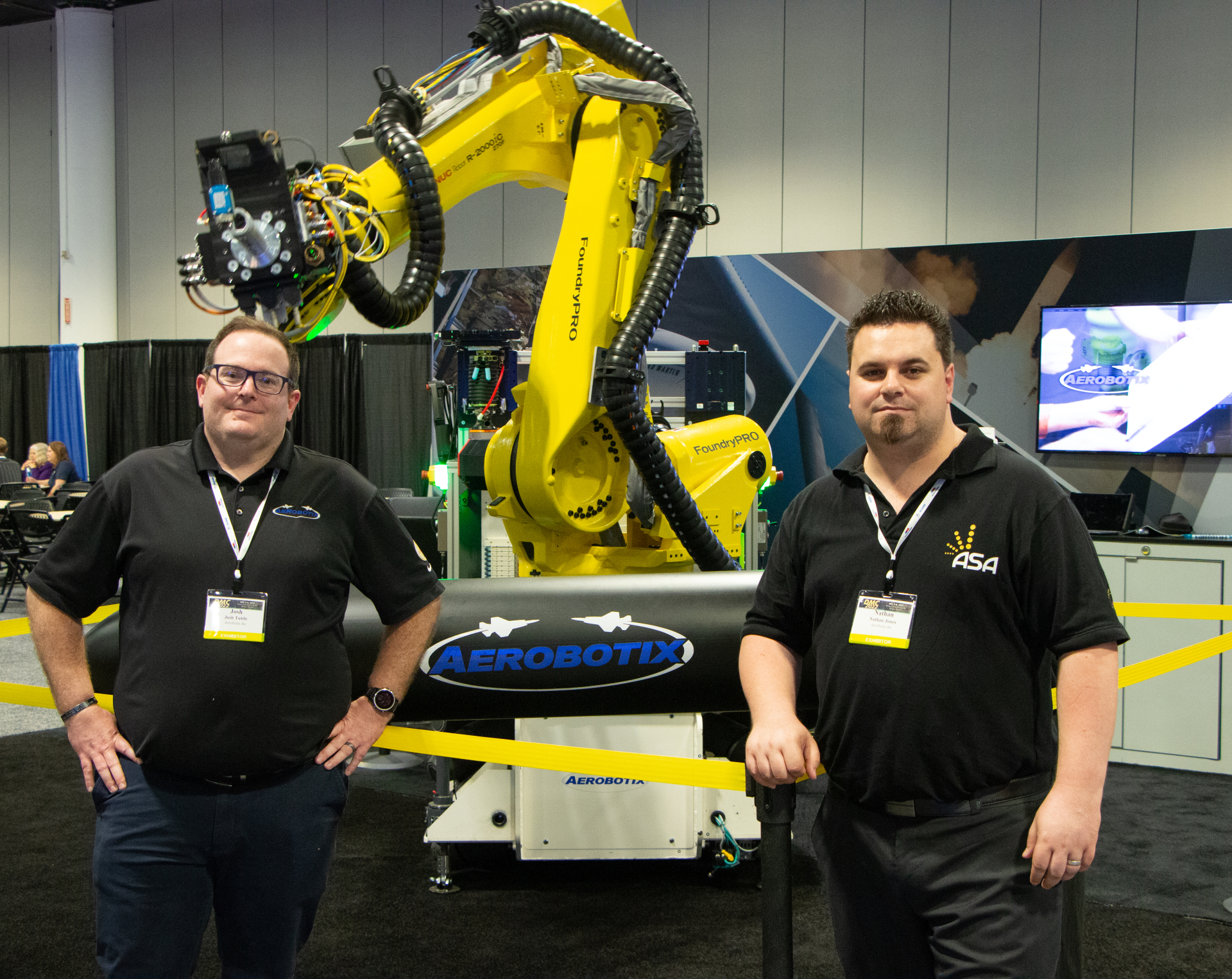
Image credit: automatedsolutions.com.au
Check out the minutes that vanish between products
Inefficient manufacturing is not always evident. Imagine an operator spending 15 minutes searching for a part and then 10 seconds putting it into the material and then transfer it. The difference might seem small for a single component. Those seconds add up when multiplied by thousands.
Same goes for waste material. A small amount of extra coating or dispensing material multiplied over a large-scale production run can become a meaningful expense.
Companies considering robotic automation Australia projects can benefit from examining these small, repeated losses before deciding what equipment they need. The analysis by ASA’s experts is designed to pinpoint bottlenecks and quality issues, as well as waste and other constraints in a project.
Robots should be able to be integrated into the process.
The choice of a robot is a single decision in engineering. It could be necessary to add tooling, guarding and controls sensors conveyors, fixtures, electrical integration, and communication to the production equipment already in place. Engineers should think about reach, payload and how the robot will operate and interact with its environment.
The FANUC approach of ASA’s approach to robot automation is based on concept development, system design as well as CAD Simulation and offline Programming. Engineers can explore system configurations and estimate cycle times before the finalized system is placed in the factory floor. It’s particularly useful when there is a limited amount of space or the new robotics is required to be integrated with an existing production line.
Painting and Dispensing demonstrates why Repeatability Matters
Controlled movement is crucial in certain manufacturing processes. Imagine coating hundreds, or thousands of components. The desired result isn’t merely the process of completing every component in a short time. From the start of production until the final stage, the movement, speed and distance must be managed.
The experts at ASA are proficient in painting and dispensing across industries such as automotive and aerospace. In these environments industrial robotic automation may offer repeatable programming while also reducing employee exposure to physically demanding or potentially dangerous processes.
Controlled better can reduce excessive material consumption, thereby contributing to a reduction in waste and productivity improvements.
The System Will Still Need People After Installation
Automation is not a complete solution to the need for skilled manufacturing. Automation changes the skills needed to operate and maintain the process.
Employees must be instructed to safely use equipment and to recognize abnormal behavior or malfunctioning components, and complete any necessary maintenance. Production requirements can alter, which means that the processes and programs could require modifications later.
ASA offers on-site training including programming, safety troubleshooting, electrical and mechanical maintenance. They also provide servicing and assistance for assessing the condition of equipment and taking care to address wear throughout the system’s lifetime.
Capacity goes beyond simply working faster
In Australia, increasing production capacity does not always mean adding more employees to repetitive jobs or buying bigger buildings. Sometimes, the more important question is whether or not the existing production process can be engineered differently.
ASA has developed and integrated automation systems in Australia since 2002. We also support projects abroad. Its approach connects needs analysis, engineering, simulation, FANUC robot integration, training, and servicing.
Automation is not just for the sake of automation. A worthwhile system should give manufacturers something tangible in the form of more reliable production and quality, as well as safer processes, less waste, or more capacity from the factory that it currently operates.