It is easy to assume that better medical imaging simply means producing more detailed pictures. In reality, good radiology has many purposes. The important question is whether a radiology examination gives the information needed for the specific medical scenario.
A patient with a suspicion of joint issue, for instance, presents a very different diagnostic question from someone taking a breast scan or a scan of the prostate. Modern radiology does not depend on one scanner for every situation rather, it uses variety of imaging techniques to deal with the differences.
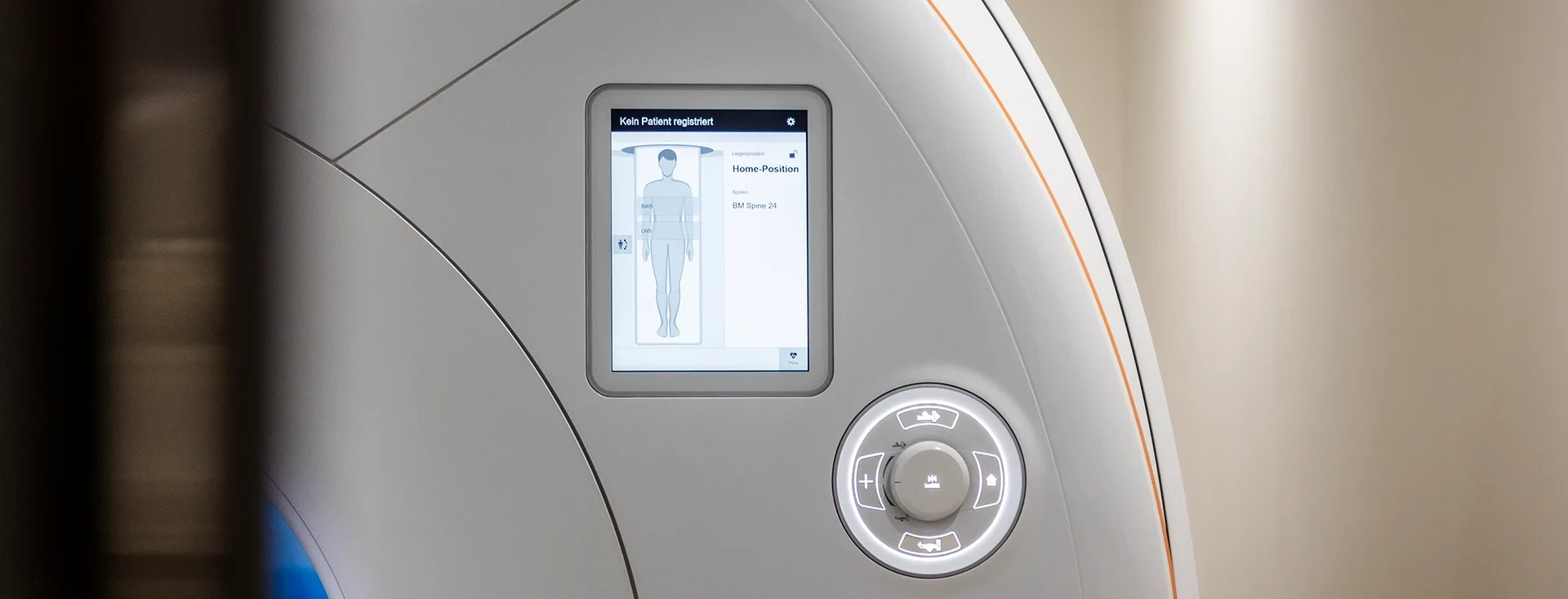
Image credit: diagnostikzentrum-wolfsburg.de
The private consultations at the Wolfsburg Diagnostic Center gives patients access to a variety of diagnostic and image-guided services within one practice of radiology.
Different parts of the body Display Theirself in a Different Way
Using various imaging techniques, the soft tissues, bones organs, joints, organs and other structures may not appear in the exact same way.
Magnetic resonance imaging is especially helpful when precise imaging of many soft-tissue structures is needed. The Wolfsburg Diagnostic Center operates two modern 1.5 Tesla MRI scanners and is able to examine areas like the spine, brain internal organs, joints and soft tissues.
MRI is not a method of X-ray radiation. If it is needed, the center can offer more specific examinations for prostate MRIs and whole-body MRIs.
The term “MRI” is a type of technology that describes the usage of this technique. However the medical concern will decide how the technology is utilized.
CT offers a different point of View
The function of CT in diagnosing medicine is distinctive. CT creates precise cross-sectional photographs of the body using X-rays. The Wolfsburg Diagnostic Center uses low-dose technology to reduce radiation exposure while maintain the quality of images.
Each patient’s individual situation will determine the most suitable imaging technique. The more advanced sounds do not automatically indicate more suitable.
Digital X-Rays Are Still Relevant
With MRI and CT getting a lot of attention, conventional X-ray imaging might appear old-fashioned. Modern digital Xrays tell different story.
Digital technology continues to offer an established method for examining the skeletal system. Modern technology makes use of high-resolution pictures and techniques to reduce radiation exposure. Click here to learn more MRT Wolfsburg
In other words, newer technologies have widened the scope of radiologist’s options rather than simply replacing all the methods that were available before them.
Breast Imaging: The Benefit of Focused Treatment
Breast diagnostics is another example of a specialized image. The center provides mammography, comprising 3D mammography and tomosynthesis as well as breast ultrasound. These techniques offer various forms of information from images that can be used based on the patient’s specific medical situation.
Radiology is constructed on the same basis of understanding the subject matter that needs to be examined is vital for a successful imaging.
Sometimes imaging can aid in the treatment process.
Radiology doesn’t just involve finding and monitoring abnormalities. The Wolfsburg Diagnostic Center offers CT-guided Periradicular Therapy (PRT) that uses CT imaging can be used to direct the procedure. Another treatment option is low-dose radiation therapy.
These examples demonstrate how imaging technology can transcend observational methods, and could play an important role in the direction of precise medical treatment.
Precision is the art of asking a specific question
A modern diagnostic center is not only defined by its number of machines. The value of a diagnostic center is also in applying appropriate technology to a clearly defined medical need and having experts who are experienced interpret the resulting images.
In Wolfsburg’s consultation hours for private consultation Patients are able to receive various radiological tests or receive expert treatment and engage in a discussion with the doctor about the results.
It’s not all about making new images. It’s to produce clinically valuable information that can assist physicians and patients in better understanding the medical concerns being researched.