A park district has approved funding for an improved public toilet. The location has been chosen The building looks good and the team is set to begin the process.
The contractor begins to review the site. The proposed location faces issues with drainage. Utility connections are further away than was anticipated. The delivery vehicle might struggle to reach the location and the chosen building configuration doesn’t align with the available space.
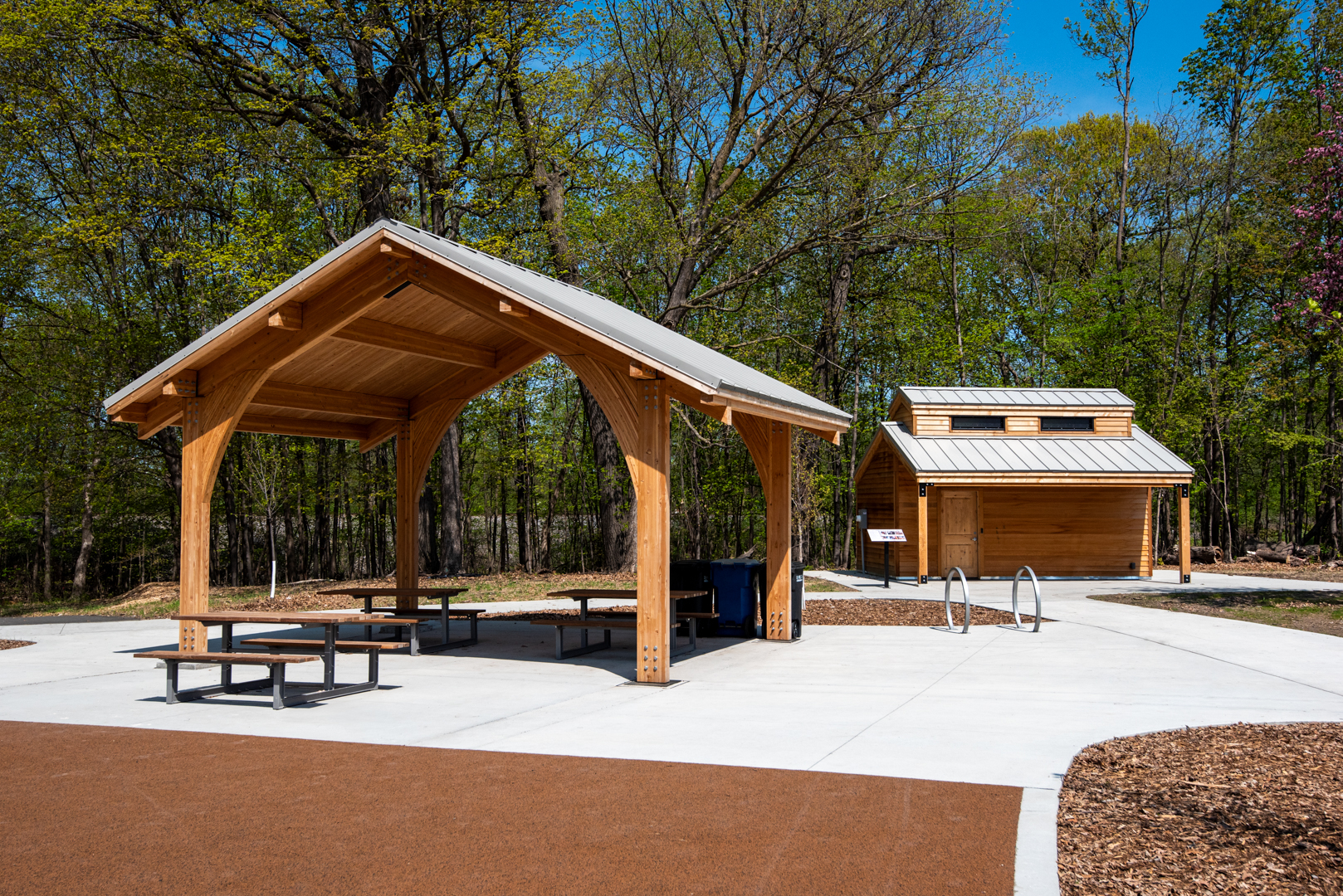
Image credit: romtec.com
The project cannot be stopped if none of these problems are resolved. This can result in redesigns, extra expenses and delays in construction. Developers and public agencies bathroom projects, it is simpler to manage if location conditions impact the design choice from the start.
Drawings of buildings aren’t telling the entire story
Before selecting prefabricated park restroom buildings The project team should be aware of what the property around it can accommodate. The construction process can be affected by the terrain’s slope water drainage, utilities and accessibility to construction.
A restroom close to a playground, as an example could require being connected to the current infrastructure for sewer and water. If the current infrastructure is not in place or if it’s costly to extend those connections, then a new sanitation system may be needed.
Alongside the applicable codes and accessibility requirements Site-specific requirements must be considered when determining the foundation and placement of a building. It is possible that a typical construction layout appears appealing on paper but will require major modifications after these aspects have been considered.
Urban Projects have their own construction limitations
Installing sidewalk restrooms involves more than finding enough space for a compact structure. On sidewalks that are public you will find underground utilities, pedestrian walkways along with street furniture and entrances close by. Coordination of construction activities with local authorities may be essential.
A bathroom located too close to an existing utility corridor can make it difficult to excavat or foundation work. Accessibility adds another consideration. The entrance and the surrounding area should be constructed to meet applicable requirements, not merely fit within the available footprint.
Romtec offers custom-designed ADA designed single-user bathrooms, including the option of a different location for the sink and door. The design options give the project team to adjust to the limitations of the site and design for the practical use of public restrooms.
Do you have no sewer Connection? Consider the Alternatives
Remote recreation sites pose a unique challenge to infrastructure. The trailhead may be a few miles from the nearest sewer connection, making conventional flush toilets not practical.
Vault toilets can be a viable alternative to waterless toilets in some locations. These toilets don’t use the sewer to transfer wastewater, but rather collect the waste in a tank that must be maintained periodically.
The choice of vault toilets doesn’t completely eliminate the need for design and planning of the site. The project requires suitable terrain, access to service equipment in a safe manner with adequate ventilation and respect for environmental regulations.
Romtec’s Sweet-Smelling Technology (SST) is employed to create water-free vault toilets. This assists in reducing the odors through ventilation. An early choice of a sanitation system could help you save money on building renovations.
Construction Coordination Starts Before Delivery
Prefabricated construction is frequently misinterpreted as being pre-decided by the builder. In actuality there are still a variety of items to coordinate, like foundation and site preparation accessibility, connections to utilities as well as local approvals. Romtec’s approach for these projects is through customized building kits and design assistance rather than relying on fixed structures.
The company collaborates with landscape architects, contractors and project owners to coordinate building specifications in accordance with the particular requirements of each site. This technique is particularly helpful in situations where a bathroom needs to conform to a specific style of architecture or be able to accommodate unique property requirements.
The best questions are the ones that will lead to better designs
Owners must decide how utilities will be delivered to the structure, which construction equipment is able to get on the site and what approvals are needed prior to buying restrooms.
It is crucial to know if the chosen sanitation system is able to handle the expected number of visitors as well as if the structure will still be able to be used without major infrastructure upgrades.
They may be less interesting than choosing architectural or exterior finishes and can, however, be more influential on the cost of the project and its scheduling.
The public restroom projects which are successful don’t only complete the project on time. The construction, the site infrastructure along with the construction process and its intended use are all taken into account. The earlier decisions will guarantee that the final bathroom is able to serve the community better.